Water Main Leak Repair That Starts With Accurate Diagnosis
A leaking water main can waste a large volume of water, weaken surrounding ground and cause damage that spreads beyond the first visible wet patch. Our plumbers begin by assessing the symptoms, tracing the likely route of the supply line and separating a true main-line failure from irrigation leaks, overflowing systems, internal plumbing faults or municipal-side problems. This disciplined approach helps avoid unnecessary excavation and gives the customer a clearer explanation of what is happening before repair work begins.
Signs That May Point to a Main-Line Leak
Common warning signs include a meter that continues moving when all taps are closed, unexplained increases in water usage, persistent damp areas, water surfacing through paving, reduced pressure throughout the property or a hissing sound near the incoming supply. No single symptom proves the location of the leak, which is why the surrounding plumbing system, valves, meter behaviour and ground conditions should be considered together.
Why Early Attention Matters
Delaying a suspected water main repair can allow erosion to develop around foundations, driveways, boundary walls and underground services. Water can travel along trenches and appear far from the actual break. Prompt assessment limits avoidable damage and helps the plumber plan a controlled repair rather than responding only after the line fails completely.
How We Investigate a Suspected Water Main Leak
The investigation is planned around the property layout and the evidence available on site. We confirm whether the leak is before or after the water meter, check isolation points, inspect visible pipework and compare pressure or flow behaviour where practical. The objective is to narrow the search area before opening paving, soil or concrete.
Meter and Isolation Checks
A controlled meter check can show whether water continues to pass into the property while fixtures and appliances are not drawing water. Isolation valves may then help divide the system into sections. These checks are simple but valuable because they can distinguish an underground supply leak from a fault inside the building or from water use that has been overlooked.
Targeted Leak Location
Where the route is concealed, the plumber may use pressure testing, acoustic methods, moisture patterns and knowledge of typical pipe routes to identify the most likely repair point. Detection conditions vary with pipe material, soil type, background noise and leak size, so results must be interpreted carefully rather than treated as an automatic answer.
Repair Options for Underground Water Main Pipes
The correct repair depends on the condition of the pipe, accessibility and whether the damage is isolated or part of a wider deterioration problem. A sound line with a local split may need a targeted repair. An old, brittle or repeatedly failing line may be better served by replacing a longer section or rerouting the supply through a more practical position.
Localised Pipe Repair
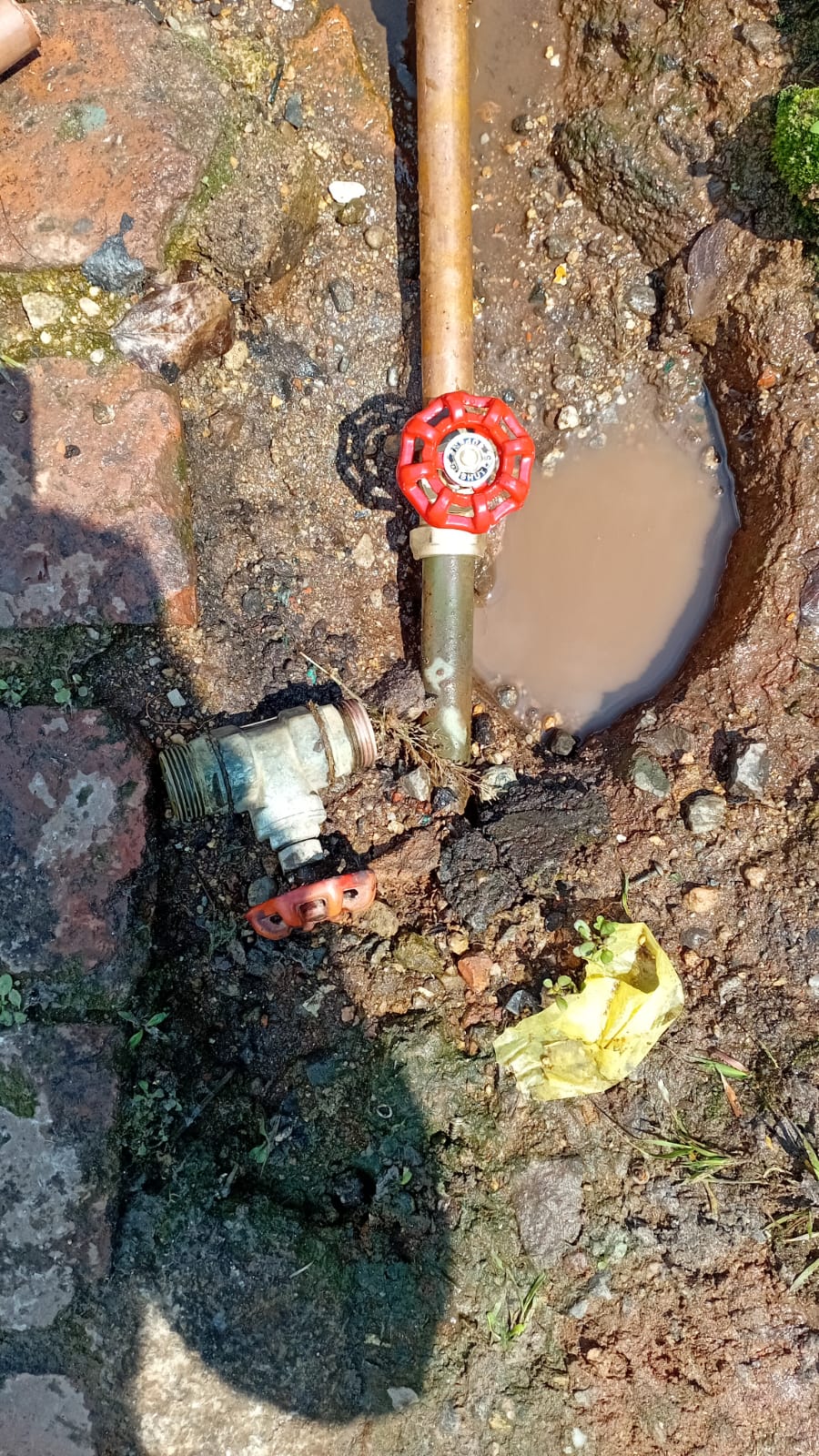
When the surrounding pipe remains serviceable, the damaged section can be exposed, removed and replaced using compatible materials and fittings. The repair area should provide enough working room to prepare the pipe correctly, align the replacement section without strain and inspect every joint before the excavation is closed.
Partial or Full Water Main Replacement
Repeated leaks often indicate that a larger portion of the line has reached the end of its reliable life. In that situation, repeatedly patching individual failures may cost more and disrupt the property more than a planned replacement. We explain the visible condition of the line and help the customer compare immediate repair with the longer-term value of replacement.
Rerouting When Access Is Difficult
A new route may be considered when the original line passes beneath major structures, mature landscaping or extensive paving. Rerouting is not automatically the right solution, but it can reduce demolition and create a more accessible supply path for future maintenance. The proposed route must still protect the pipe from damage and comply with sound plumbing practice.
Protecting the Property During the Repair
Water main repairs affect more than the pipe itself. Excavation, stored soil, paving removal and temporary water interruptions all need to be managed carefully. Before digging, the likely positions of electrical cables, drains, irrigation lines and other underground services should be considered. Work areas should remain controlled so residents, staff and visitors are not exposed to unnecessary hazards.
Controlled Excavation and Access
We aim to open only the area needed to complete and verify the repair. Surface conditions may require hand excavation near known services or careful removal of paving for later reinstatement. Where water has saturated the ground, additional space or drainage may be necessary to create a stable working area.
Keeping Customers Informed
Customers should know when the water will be isolated, what area must be accessed and whether the repair may affect paving or landscaping. Clear communication is especially important in complexes, offices, shops and multi-occupancy properties where one interruption can affect many people. We explain the expected sequence so practical arrangements can be made.
Testing the Water Main After Repair
A repair is not complete when the new fitting is installed. The supply must be restored gradually and the repaired section observed under working pressure. The meter, joints and nearby pipe should be checked for continued movement or seepage. Only after the repair has been tested should the trench be backfilled and the surface prepared for reinstatement.
Pressure and Leak Verification
The repaired line is inspected while pressurised to confirm that joints remain dry and stable. Where the original symptoms included low pressure or continuous meter movement, these indicators should also be rechecked. This final verification reduces the risk of concealing an incomplete repair beneath soil or paving.
Backfilling and Reinstatement
Pipe support and backfilling matter because stones, voids or poor compaction can place stress on the repaired section. Suitable material is placed around the pipe before the excavation is filled. Surface reinstatement requirements vary, and customers are informed whether paving, concrete or landscaping will be restored as part of the plumbing work or handled separately.
Water Main Leaks at Homes, Complexes and Commercial Properties
The impact of a main-line failure changes with the property. A household may lose its only water supply, while a complex or business can face disruption across multiple units. Commercial sites may also have fire systems, process water, storage tanks or operational requirements that affect isolation planning. We assess the site so the repair approach fits the actual plumbing arrangement and occupancy needs.
Residential Supply Lines
At homes, the incoming line often feeds the entire property before dividing to fixtures, geysers and outside taps. A leak can therefore cause both water loss and reduced pressure throughout the house. Access may pass through gardens, driveways or boundary areas, making route identification an important part of limiting damage.
Complex and Shared Infrastructure
In sectional-title and managed properties, responsibility may depend on where the leak occurs and which units are supplied by the line. The plumber can document the observed location and affected section, while the body corporate, owner or managing agent determines responsibility according to the property arrangement. Early coordination helps avoid delays when isolation affects multiple occupants.
Business and Operational Continuity
Businesses often need repairs planned around trading hours, staff access and hygiene requirements. Temporary supply arrangements are not always possible, but clear scheduling and rapid isolation can reduce downtime. We prioritise safe restoration of the main supply and explain any further work needed after the immediate leak is controlled.
What to Do While Waiting for a Plumber
If water is surfacing rapidly or causing damage, close the property isolation valve if it can be reached safely and without forcing it. Keep people away from unstable ground, flooded electrical areas and open excavations. Note the meter reading and take photographs of visible water or damage where practical. Avoid digging blindly, because buried electrical cables, drains and other services may be close to the leaking line.
Useful Information to Send Us
When contacting us, share the suburb, property type, nearest landmark and the signs you have noticed. Tell us whether the meter is moving, whether pressure has dropped and whether the leak is before or after the meter if known. Photographs or a short video can help us understand access and urgency before arrival.
When the Municipal Supply May Be Involved
A leak on the street side of the meter or within municipal infrastructure may need to be reported to the relevant authority. We can help identify the apparent side of the fault, but ownership and repair responsibility depend on the exact location and local arrangements. Where the evidence points outside the private property supply, the customer should log the issue promptly with the municipality.
Frequently Asked Questions About Water Main Leaks
How do I know whether the leak is underground?
Continuous meter movement, damp ground, unexplained water usage and whole-property pressure changes can suggest an underground leak, but confirmation requires inspection. Internal fixtures, irrigation and storage systems should first be ruled out.
Will the whole driveway need to be opened?
Not necessarily. The aim is to narrow the location and open a practical repair area. The final access requirement depends on the pipe route, depth, leak position and the type of surface above it.
Can you repair the pipe without replacing the entire line?
Yes, when the failure is localised and the surrounding pipe is still in good condition. If the line is old, brittle or has failed repeatedly, a longer replacement may provide better long-term value.
How long will the water be off?
The interruption depends on access, excavation conditions, pipe material and the extent of damage. We aim to isolate the supply only for the time needed to complete and test the repair, and we explain the expected interruption before work proceeds.
Arrange Water Main Leak Detection and Repair
A suspected water main leak deserves a clear diagnosis and a repair plan based on the actual condition of the pipe. Send us your suburb, the signs you are seeing and any available photographs. Our plumbers will help assess the urgency, locate the likely fault and restore the supply with careful workmanship and proper testing.